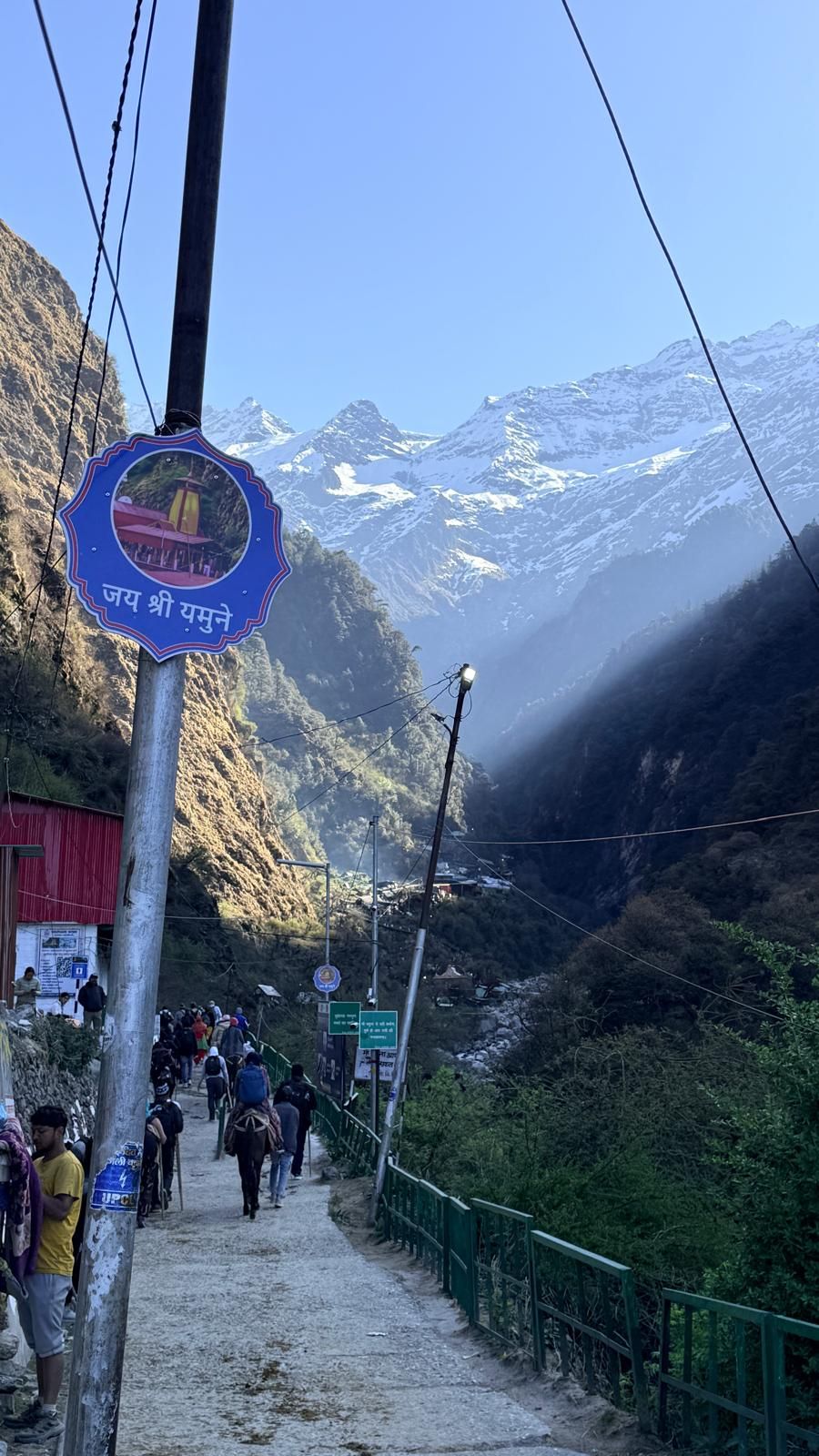
Yamunotri
Goddess Yamuna
The first dham in the customary order, and the only one we reached on foot. The trek was much steeper than we expected.
The four Himalayan shrines of Yamunotri, Gangotri, Kedarnath and Badrinath: how we travelled them in ten days with a 4- and a 7-year-old, and what we’d want you to know.
The shrines are high in the mountains and open only for part of the year, so the season and the mountain weather shape much of the planning.
Each page follows the same structure: why pilgrims come, what we did, how we got there, what surprised us, advice for children, and what you need to check.
Goddess Yamuna
The first dham in the customary order, and the only one we reached on foot. The trek was much steeper than we expected.
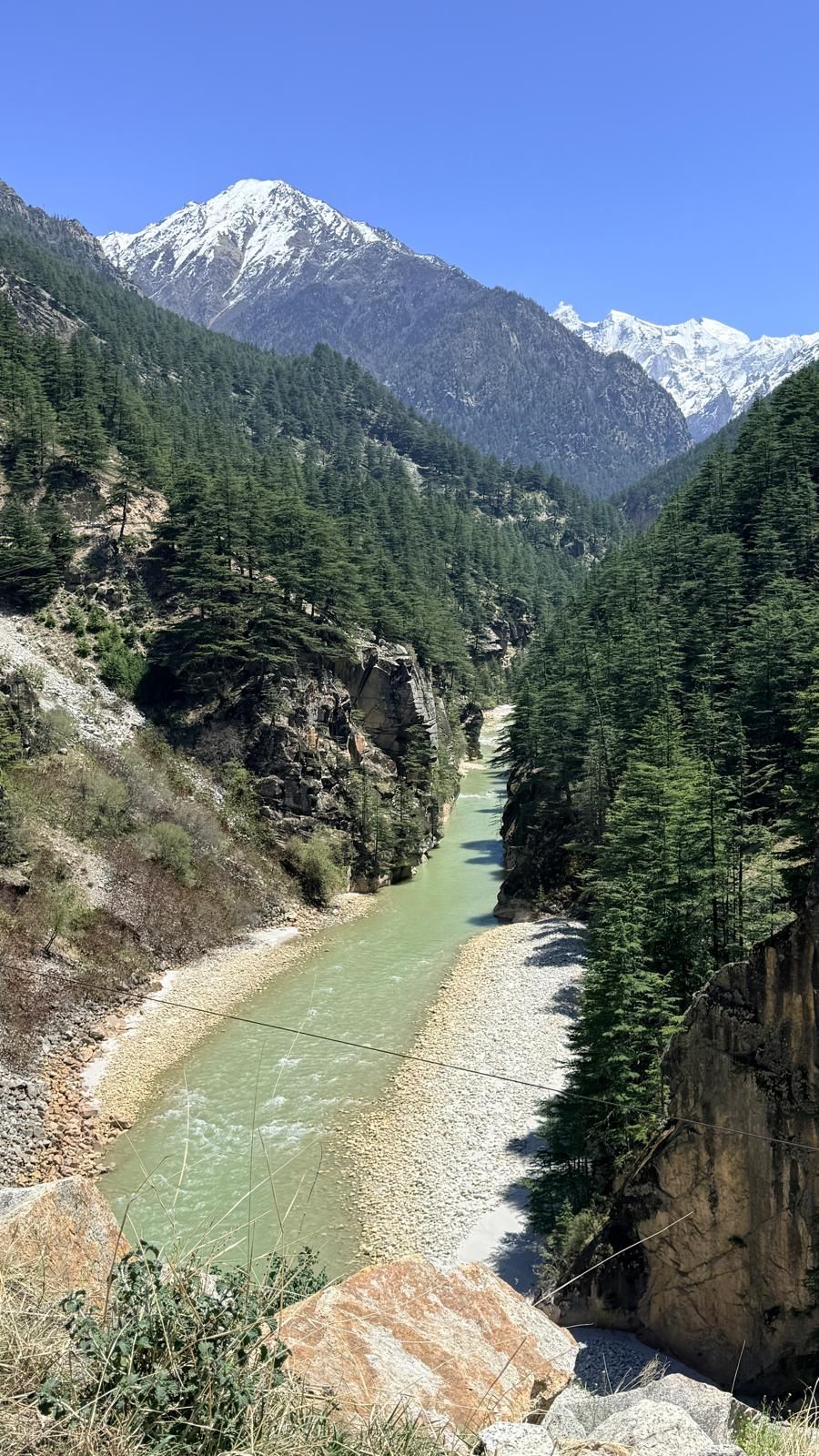
Goddess Ganga
A day trip from Uttarkashi: darshan of Maa Ganga, a riverside puja in very cold water, and a beautiful drive through Harsil.
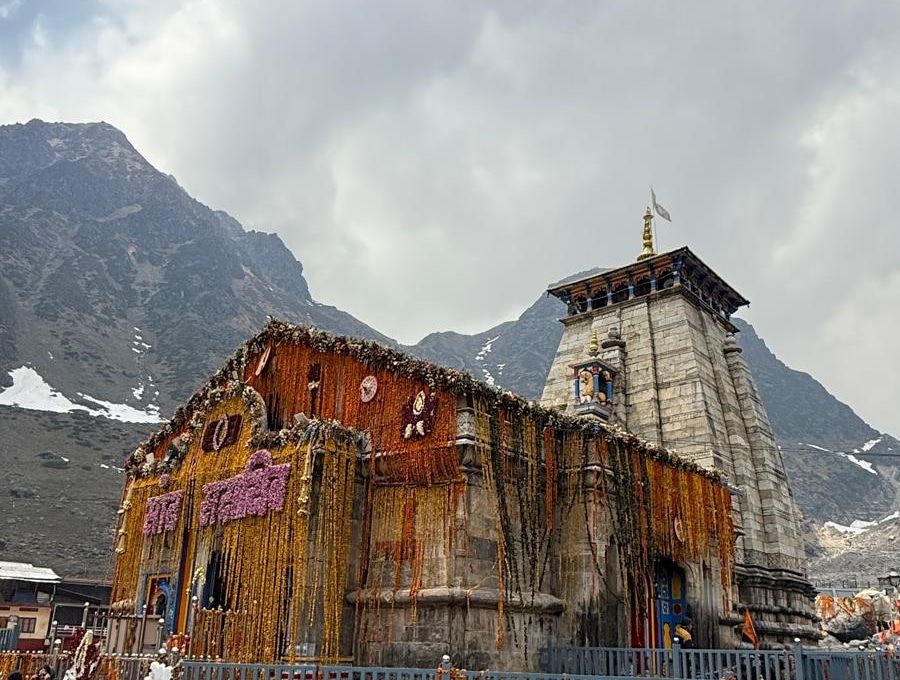
Lord Shiva
By helicopter from Sirsi, with a night a few minutes’ walk from the temple, below-freezing cold and a late-night Laghu Rudrabhishek.
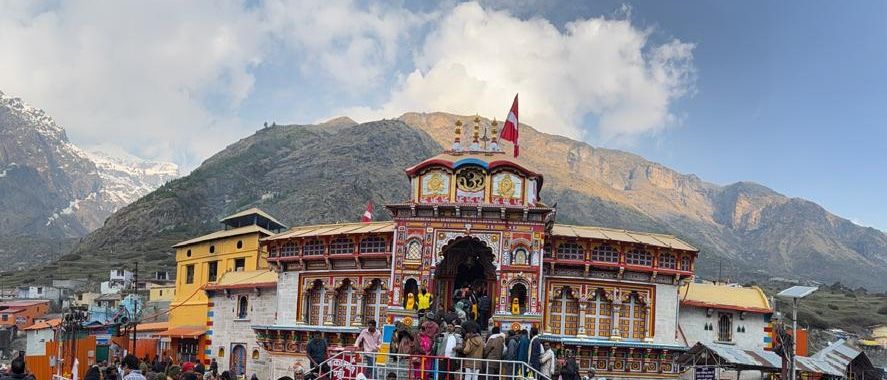
Lord Vishnu as Badrinarayan
The last of the four dhams: evening darshan on arrival, a pre-dawn Abhishek, rites for our ancestors, and a morning at Mana.
The high shrines close for the winter months. For two of them, the temple committee’s own pages describe where worship continues.
Omkareshwar Temple, Ukhimath
According to the temple committee (BKTC), after Kedarnath closes for winter the Utsav Doli of Lord Kedarnath is brought to the Omkareshwar Temple at Ukhimath, where winter puja of Lord Kedarnath is performed.
We visited Omkareshwar Temple on Day 8 of our journey.
Pandukeshwar, and Joshimath
BKTC states that Yogdhyan Badri at Pandukeshwar houses the winter Utsav images of Uddhav and Kuber. Badrinath’s winter worship is also associated in tradition with the Narsingh Temple at Joshimath. Because more than one place is involved, we haven’t reduced it to a single “winter seat”.
Official source
We haven’t yet confirmed where Yamunotri and Gangotri are worshipped in winter from an official source, so we don’t list them here.
We did thisFirst-hand experience, April 2026
We travelled for 10 days and 9 nights in a private vehicle with a driver, arranged as a package through a tour operator. We were promised an Innova Crysta and upgraded to an Innova Hycross.
Yamunotri meant a trek from Janki Chatti; the children went by pitthu. Gangotri and Badrinath we reached by road. For Kedarnath we flew by helicopter from Sirsi and stayed one night near the temple.
On one long mountain day, our experienced local driver took a route that avoided some of the main-road traffic.
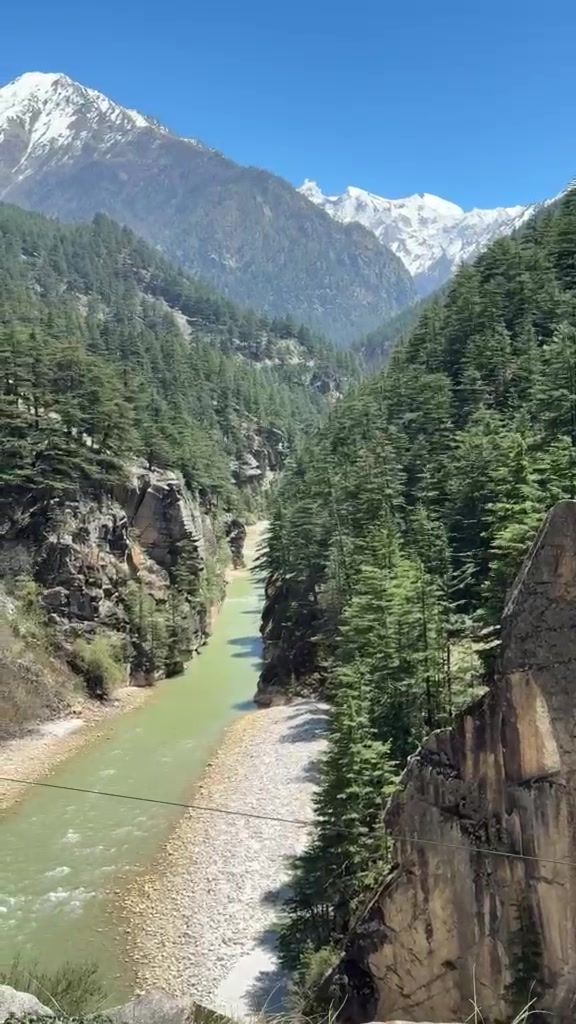
These were our choices with a 4- and a 7-year-old in April 2026, not rules for every family.
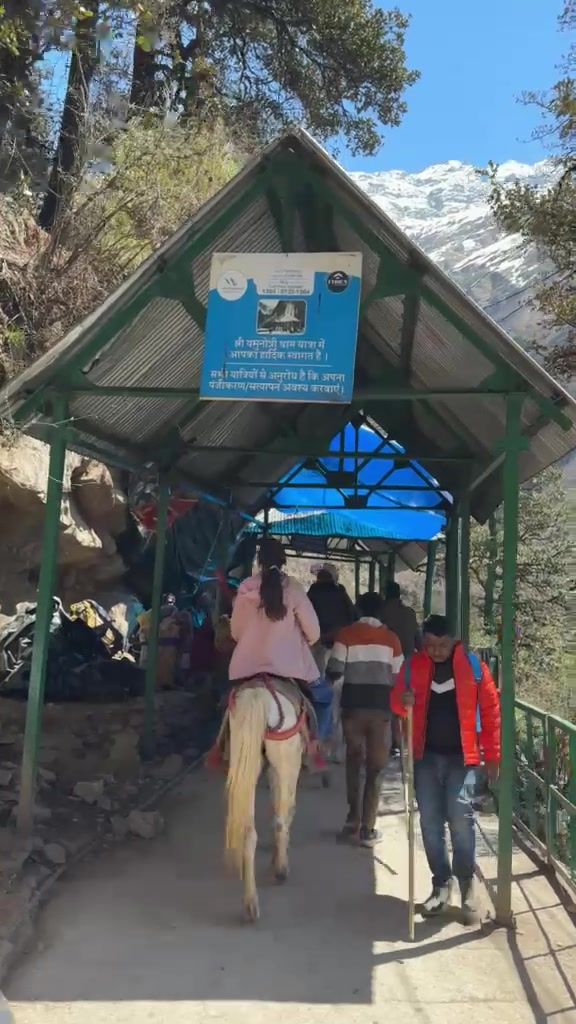
Our package quotation, what we actually received, what changed on the road (the biggest change was Kedarnath by helicopter instead of the trek), and the extra costs we paid separately.
We did this
Our tour package: ₹142,000for our 10-day / 9-night package, family of four, including GST
Some of the moments we remember best were at stops between the dhams: a cave temple on the way to Uttarkashi, the first puja at Kalimath, the confluence at Devprayag.